Introduction to Fish-Based Processed Products and the National Movement to Promote Fish Consumption (GEMARIKAN)
DOI:
https://doi.org/10.22437/gypeg530Keywords:
fish consumption , fish-based products, GEMARIKANAbstract
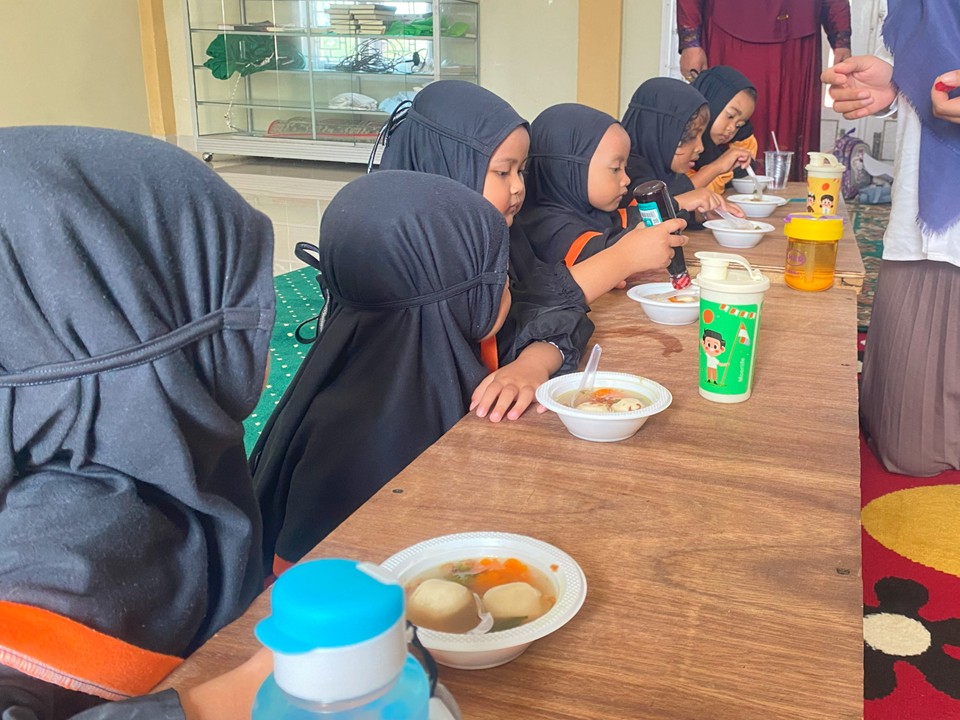
Fulfilling nutritional needs to support children's growth and development must be a priority for parents, starting from pregnancy through adolescence. As children grow older, choosing a variety of nutritious food sources becomes increasingly challenging, as they tend to become selective or picky eaters. As a maritime country with abundant fisheries potential, Indonesia should be able to encourage the habit of fish consumption from an early age so that Indonesian children grow up with a liking for eating fish. This is especially relevant in Jambi Province, which has great potential in both capture fisheries and aquaculture. The Gerakan Memasyarakatkan Makan Ikan (GEMARIKAN) program initiated by the Ministry of Marine Affairs and Fisheries (KKP) is one of the efforts to increase fish consumption among the public, especially children, to support nutritional adequacy and create a healthy and intelligent generation. As a form of participation in supporting the program, an activity was carried out to introduce fish-based processed products and promote the fish-eating movement, with the main target being early childhood education (PAUD) students at Al-Hijrah School in Muaro Jambi Regency, Jambi Province. The aim was to foster a fondness and habit of consuming fish regularly from an early age through fun and engaging methods, such as educational videos and interactive games. The methods used included lectures and discussions on various types of fish-based foods. The results of this activity showed that the children's enthusiasm in paying attention to the material, engaging in question-and-answer sessions, and sharing stories during the activity indicated their interest in learning more about the topic presented. Through this activity, it is hoped that awareness and healthy eating habits centered on fish-based foods can be increased, while also fostering a sense of environmental awareness among the children.
Downloads
Downloads
Published
Issue
Section
License
Copyright (c) 2025 Jurnal Pengabdian Aplikasi Teknologi dan Ilmu

This work is licensed under a Creative Commons Attribution 4.0 International License.